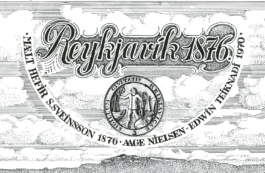
REYKJAVÍK 1000–1900
Borgarsögusafn / Reykjavik City Museum
—
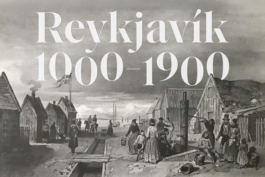
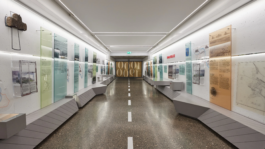
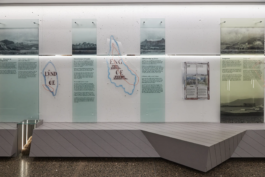
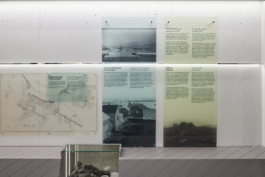
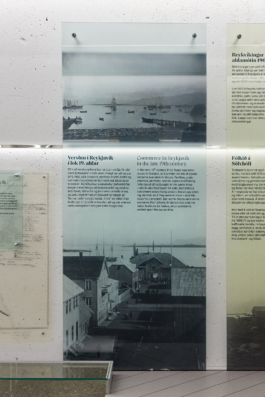
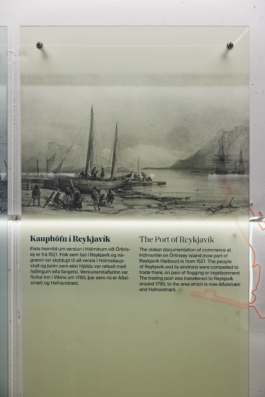
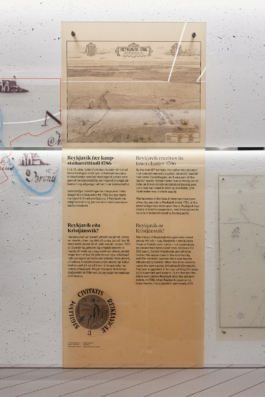
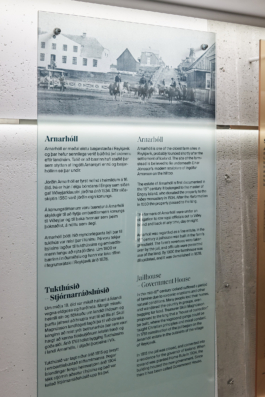
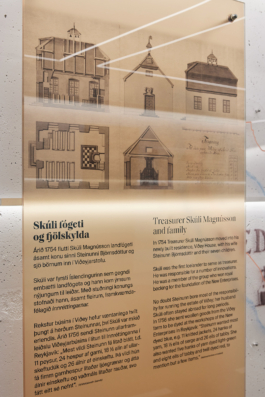
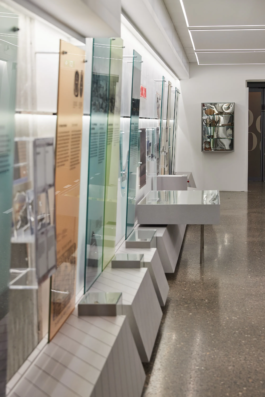
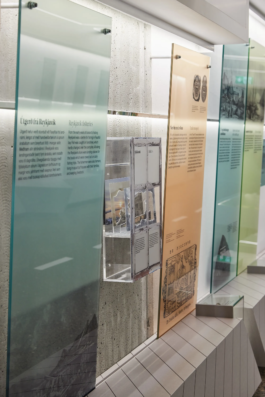
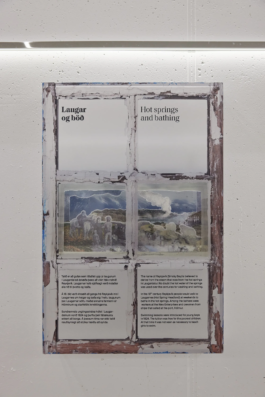
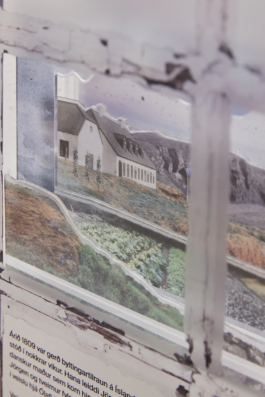
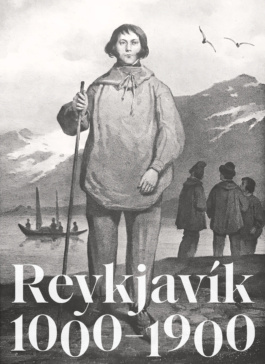
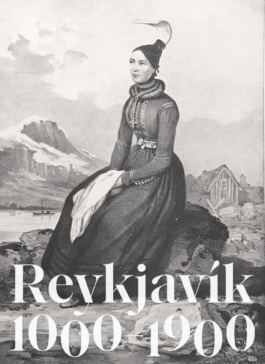
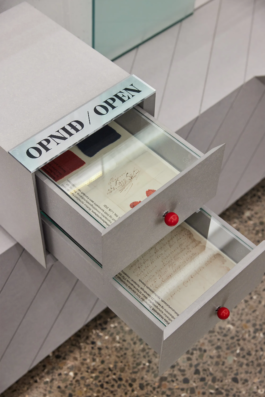
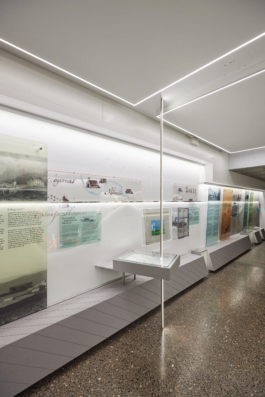
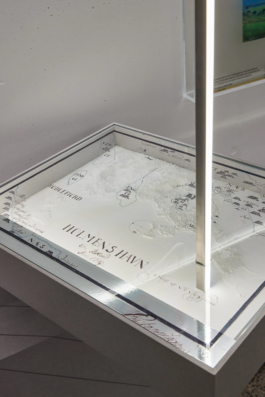
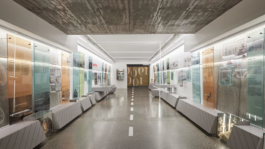
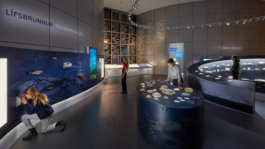
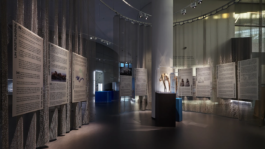
At Aðalstræti 10 and 16 is the exhibition Aðalstræti, which spans the period from the settlement of Iceland in the ninth century until the present day. In past centuries Aðalstræti (Main Street) was Reykjavík's principal street, known as Hovedgaden in the days of Danish rule.
The exhibition covers around 1000 years of Reykjavík's history and how the land of Reykjavík, the center of Ingólfur Arnarson's settlement in the ancient Seltjarnarnes, was divided into smaller lands and towns. The first street began as a path that for centuries lead from Reykjavík farm to the sea – with new buildings rising with the industrialization around 1750 – until the actual Aðalstræti in 1786 becomes the main street of the Reykjavik the town.
Art Direction, Exhibition Graphics
—
2022


REYKJAVÍK 1000–1900
Borgarsögusafn / Reykjavik City Museum
—
Exhibition design: Þórunn S Þorgrímsdóttir + Ingibjörg Jara Sigurðardóttir / VISIONIS
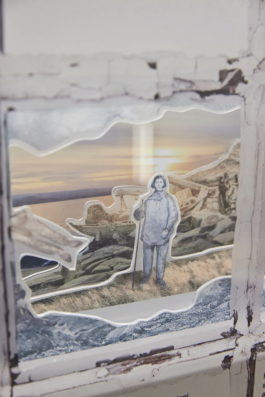
Dioramas by: Ingibjörg Jara Sigurðardóttir
Content author: Bryndís Sverrisdóttir
Lighting Designer: Páll Ragnarsson
Interior Architect: Hulda Aðalsteinsdóttir / Kreatíva
Graphic Design: Ingi Kristján Sigurmarsson
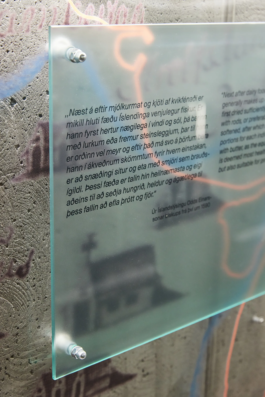
Model of modern Reykjavík: Þórarinn Blöndal
Project managment: Helga Maureen Gylfadóttir for Reykjavík City
Photography by Magnus Andersen
Related Projects:

REYKJAVÍK 1000–1900
Borgarsögusafn / Reykjavik City Museum
—
At Aðalstræti 10 and 16 is the exhibition Aðalstræti, which spans the period from the settlement of Iceland in the ninth century until the present day. In past centuries Aðalstræti (Main Street) was Reykjavík's principal street, known as Hovedgaden in the days of Danish rule.
The exhibition covers around 1000 years of Reykjavík's history and how the land of Reykjavík, the center of Ingólfur Arnarson's settlement in the ancient Seltjarnarnes, was divided into smaller lands and towns. The first street began as a path that for centuries lead from Reykjavík farm to the sea – with new buildings rising with the industrialization around 1750 – until the actual Aðalstræti in 1786 becomes the main street of the Reykjavik the town.
Art Direction, Exhibition Graphics
—
2022


REYKJAVÍK 1000–1900
Borgarsögusafn / Reykjavik City Museum
—
Exhibition design: Þórunn S Þorgrímsdóttir + Ingibjörg Jara Sigurðardóttir / VISIONIS
Dioramas by: Ingibjörg Jara Sigurðardóttir
Content author: Bryndís Sverrisdóttir
Lighting Designer: Páll Ragnarsson
Interior Architect: Hulda Aðalsteinsdóttir / Kreatíva
Graphic Design: Ingi Kristján Sigurmarsson
Model of modern Reykjavík: Þórarinn Blöndal
Project managment: Helga Maureen Gylfadóttir for Reykjavík City
Photography by Magnus Andersen
Related Projects: